Sheffield contributes to national and international research into cerebral small vessel disease, connecting patients across South Yorkshire with genetic studies, observational cohorts and clinical trials. This work brings together Sheffield Teaching Hospitals and University of Sheffield collaborators to improve understanding, diagnosis and treatment.
Sheffield clinical research leadership
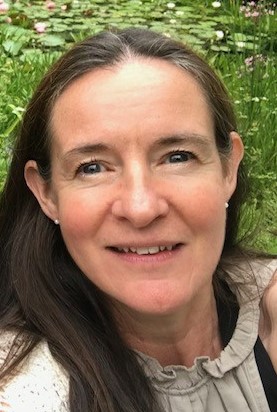
Dr Kirsty Harkness
Dr Harkness has helped connect Sheffield patients with multicentre research into inherited and sporadic cerebral small vessel disease. Her involvement includes local principal investigator roles in the UK Familial Cerebral Small Vessel Disease Study and BRIDGE, collaboration in CROMIS-2, and membership of the PRESERVE study team.
Sheffield teams contribute specialist assessment, review of brain scans, cognitive testing and biological samples. National study teams coordinate the wider research; Sheffield's local investigators lead participation at their own centre. Dr Aaizza Naqvi is the Sheffield principal investigator for DNA Lacunar Stroke 2.
Research studies
Understanding disease. Testing the next steps.
Observational studies track disease and its causes without assigning a treatment. Clinical trials test interventions through a defined research protocol. Sheffield contributes to both.
Observational study · Inherited disease
UK Familial Cerebral Small Vessel Disease Study
Following people with known or suspected inherited small vessel disease, and their relatives, to understand genetic causes and how disease changes over time.
Study details
National leadership: Professor Hugh Markus, University of Cambridge.
Sheffield contribution: Opened in 2018 as site STH19819, with Dr Kirsty Harkness as local principal investigator. Specialist vascular and memory clinics support clinical assessment, brief cognitive testing, DNA sampling and sharing anonymised brain imaging.
Aims: Describe symptoms, imaging patterns and prognosis; build a resource of samples and clinical information; and investigate genetic causes that routine testing has not resolved.
An international genetic study of MRI-confirmed lacunar stroke, investigating biological pathways that may help identify future treatment targets.
Study details
National coordination: Cambridge Stroke Research Group, with British Heart Foundation funding.
Sheffield principal investigator: Dr Aaizza Naqvi.
Sheffield contribution: A clinically characterised South Yorkshire cohort, including review of stroke features and imaging, DNA and blood samples, vascular and family history, and assessments of cognition and mood.
Aims: Combine thousands of cases across centres to identify genetic variants associated with lacunar stroke. Genetic associations can guide further research; they do not establish that a treatment works.
Investigating whether tiny areas of bleeding visible on MRI help assess brain haemorrhage risk when people start anticoagulation after stroke or a transient ischaemic attack.
Study details
National coordination: University College London.
Sheffield contribution: Royal Hallamshire Hospital was a collaborating site, with Dr Kirsty Harkness named among the collaborators on the principal publication.
Findings: Among 1,447 participants with follow-up, cerebral microbleeds were associated with greater risk of symptomatic intracranial haemorrhage and added information beyond conventional clinical risk scores. These findings support more informed risk assessment, rather than a blanket decision to stop or withhold anticoagulation.
Rates, Risks and Routes to Reduce Vascular Dementia (R4VaD)
Tracking thinking, memory, function, mood and quality of life after stroke or a transient ischaemic attack to understand who develops cognitive difficulties and why.
Study details
National leadership: Professor Joanna Wardlaw and collaborators.
Sheffield contribution: One of 50 recruiting hospitals contributing to a cohort of 2,441 participants, with clinical information and routine neuroimaging.
Aims and findings: Baseline reporting highlights the burden of early cognitive difficulties after stroke. Follow-up and linked clinical, lifestyle and biological data aim to improve risk prediction and inform prevention research and patient services.
Testing whether a larger trial of isosorbide mononitrate and cilostazol would be practical, and assessing safety and tolerability after symptomatic lacunar stroke.
Study details
National coordination: Edinburgh and Nottingham.
Sheffield contribution: One of 26 UK stroke centres in a randomised trial involving 363 participants.
Findings: The trial supported the feasibility of a larger phase 3 study. Signals in vascular, functional and cognitive outcomes were encouraging but preliminary. LACI-2 did not establish these medicines as proven treatments for cerebral small vessel disease.
Participants received guideline-based secondary prevention alongside the trial treatments. Outcome assessment was blinded even though treatment allocation was open-label.
Testing whether isosorbide mononitrate, cilostazol, or both can reduce cognitive impairment and other adverse outcomes after lacunar ischaemic stroke.
Royal Hallamshire Hospital is listed as active for recruitment on the official study page. Checked 6 October 2026; participation depends on eligibility and local availability.
Study details
National leadership: Professor Joanna Wardlaw; funded by the National Institute for Health and Care Research.
Sheffield contribution: Royal Hallamshire Hospital participates as site C034, extending Sheffield's involvement from LACI-2 into the phase 3 trial.
Aims: Recruit 1,300 adults across UK hospitals. Participants are randomly assigned to either medicine, both, or neither, with everyone receiving guideline-based care and 18 months of follow-up.
Cognitive status is the primary outcome; other measures include dependency, recurrent vascular events, mood, quality of life and safety. Whether the medicines offer benefit remains the question being tested.
Comparing intensive and standard blood-pressure control in people with severe symptomatic small vessel disease, using MRI to examine effects on brain tissue.
Study details
National leadership: Professor Hugh Markus and colleagues.
Sheffield contribution: Sheffield Teaching Hospitals was a participating centre. Dr Kirsty Harkness was part of the study team and a co-author of the principal publication.
Findings: The 24-month study included 111 participants and compared systolic targets of 130–140 mmHg and below 125 mmHg. Intensive lowering was not associated with worsening white-matter damage; an earlier substudy found no evidence of reduced brain perfusion.
The results offered reassurance in carefully selected study participants, but did not establish definitive benefits for clinical events or a blood-pressure target for every patient.
Investigating suspected inherited small vessel disease through whole-genome sequencing, including cases where standard genetic testing had not found a cause.
Study details
National coordination: NIHR BioResource Rare Diseases programme, with Cambridge collaborators.
Sheffield contribution: Dr Kirsty Harkness was local principal investigator. Sheffield identified patients with suspected familial disease and supported blood sampling and detailed clinical assessment.
Contribution to knowledge: Analyses examined established disease genes and potential new genetic causes. Candidate findings required specialist review and diagnostic validation before clinical use. Later research identified possible genetic associations that need independent confirmation.
The cohort helped provide a foundation for the UK Familial Cerebral Small Vessel Disease Study and continued investigation of unresolved families.
Patients across South Yorkshire can contribute to research that requires specialist assessment, brain imaging and biological sampling. Working across UK centres makes it possible to study both rare inherited conditions and more common forms of small vessel disease at a scale no single centre could achieve alone.
Sheffield's contributions help build evidence for genetic diagnosis, risk assessment, cognition and treatment evaluation. Well-characterised cohorts also create opportunities for future biomarker and therapeutic studies, subject to consent, study approval and eligibility.