CADASIL: Causes, Current Care and Treatment Research
CADASIL is an inherited cerebral small vessel disease caused by disease-associated NOTCH3 variants. Explore what the diagnosis means, current care and the experimental approaches being developed by CSVD Therapeutics.
Understanding the condition
What is CADASIL?
CADASIL stands for cerebral autosomal dominant arteriopathy with subcortical infarcts and leukoencephalopathy. It is an inherited disease of small blood vessels, particularly in the brain. Changes in these vessels can cause small strokes and damage to white matter, the tissue that connects different brain regions.
Its effects vary widely. Having a CADASIL-associated variant does not mean every person will develop the same symptoms at the same age. MedlinePlus overview
Understanding the condition
NOTCH3 variants and inheritance
NOTCH3 contains instructions for a receptor protein involved in the function of cells around small arteries. Many CADASIL-causing variants change the number of cysteine building blocks in part of this protein, affecting how it behaves and accumulates around blood vessels. Not every change in NOTCH3 causes CADASIL: the laboratory classification, symptoms and family history all matter. Published NOTCH3 review
CADASIL usually follows an autosomal dominant inheritance pattern. A person with a disease-causing variant has a 50% chance of passing that variant to each child. This is a chance of inheriting the variant, not a prediction of severity. New variants can also occur without a known family history. Genetic counselling can help families discuss testing and reproductive options. GeneReviews
Understanding the condition
Symptoms, MRI and diagnosis
Possible features include migraine with aura, transient ischaemic attacks or strokes, changes in thinking and memory, mood difficulties and reduced motivation. Some people have few symptoms for many years. Symptoms and variation
Assessment brings together symptoms, family history, brain MRI and genetic testing. MRI may show white-matter changes, small deep infarcts called lacunes, or microbleeds, but a scan alone does not confirm CADASIL. A pathogenic or likely pathogenic NOTCH3 variant can establish the genetic diagnosis. A variant of uncertain significance is not confirmation; specialist interpretation and sometimes further investigation are needed. Diagnostic guidance
Understanding the condition
Current care and support
Care focuses on stroke prevention, symptom management, rehabilitation and support for everyday life. Blood pressure, smoking and other vascular risk factors remain relevant even when the underlying cause is genetic. Migraine, mood difficulties and cognitive problems deserve assessment alongside physical symptoms.
Decisions about antiplatelet medicines or anticoagulation need an individual assessment of potential benefit and bleeding risk, especially where there is another condition requiring treatment. There is no established cure or proven NOTCH3-targeted disease-modifying treatment in routine CADASIL care. European consensus recommendationsTreatment research review
Understanding the condition
Gene therapy and RNA therapies under development
Gene therapy aims to change how a gene works or deliver genetic instructions to cells. Modified viral vectors can act as delivery vehicles. Gene editing is a different approach that attempts to alter a DNA sequence. These techniques still require evidence that the right cells can be reached and that the intervention is sufficiently safe and effective. Gene therapy explained
Antisense oligonucleotides, or ASOs, are short synthetic molecules designed to bind a matching RNA sequence. RNA carries and processes instructions from DNA. Depending on their design, ASOs can lower a transcript or change how it is spliced, rather than simply switch a gene off. An ASO does not necessarily edit the underlying DNA. Oligonucleotide mechanisms
Published evidence: Our 2025 NOTCH3 review discusses disease mechanisms and potential therapeutic strategies. It is a review of research, not a clinical trial demonstrating benefit. Our research: CSVD Therapeutics is developing and testing vector and RNA-targeted concepts in experimental systems. Future aim: Build evidence on delivery, safety and disease-relevant effects before any candidate can be considered for patient studies. Read the reviewExplore therapeutic development.
Understanding the condition
Clinical research and questions for families
Observational studies help researchers understand disease progression, genetics, imaging and cognition. Treatment trials answer a separate question: whether an intervention is safe and beneficial. A trial for common lacunar stroke is not automatically suitable for someone with CADASIL.
Read about the UK Familial Cerebral Small Vessel Disease Study and Sheffield's wider contribution on our multicentre research page. ClinicalTrials.gov records provide another route to study information; eligibility and local availability need confirmation with the study team.
Useful questions include: what does my genetic result mean, which symptoms need monitoring, what support is available for relatives, and which studies match my diagnosis? Share a research question with us.
Project leadership
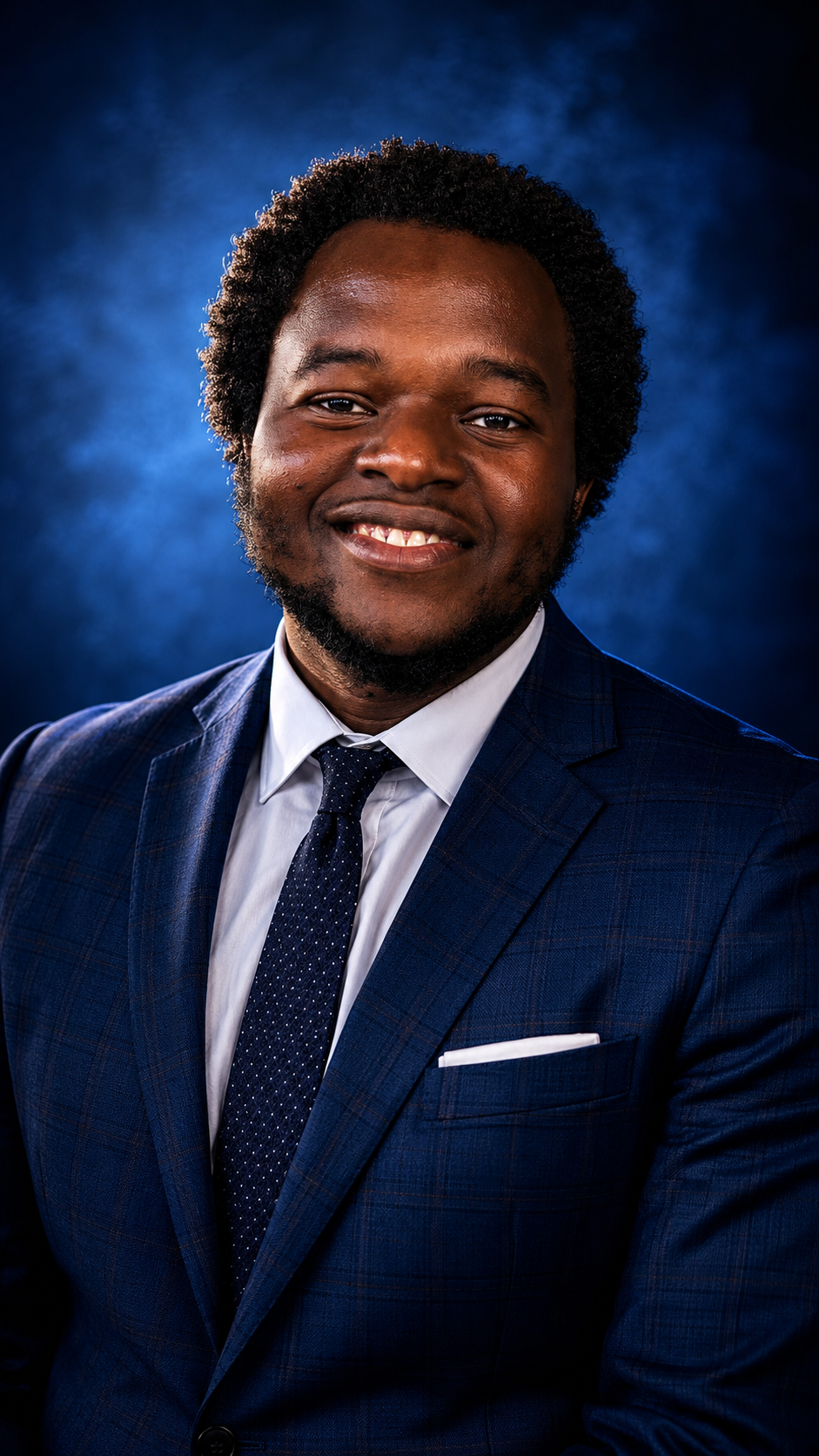
Dr Favour Felix-Ilemhenbhio leads the CADASIL therapeutic testing space.
Dr Felix-Ilemhenbhio develops and tests gene-targeted strategies for NOTCH3-related disease, with a focus
on therapeutic design, plasmid and vector testing, and antisense oligonucleotide approaches that can be
evaluated in disease-relevant experimental systems.
This space is shaped by the need to move carefully from design to evidence: building tools, testing
measurable vascular readouts, and identifying which therapeutic concepts have enough biological promise to
justify further translational development.
People and projects
The NOTCH3 therapeutic testing space.
Dr Favour Felix-Ilemhenbhio leads this area, supported by researchers and students contributing to the
experimental development and testing of novel therapeutic approaches for NOTCH3-related disease.
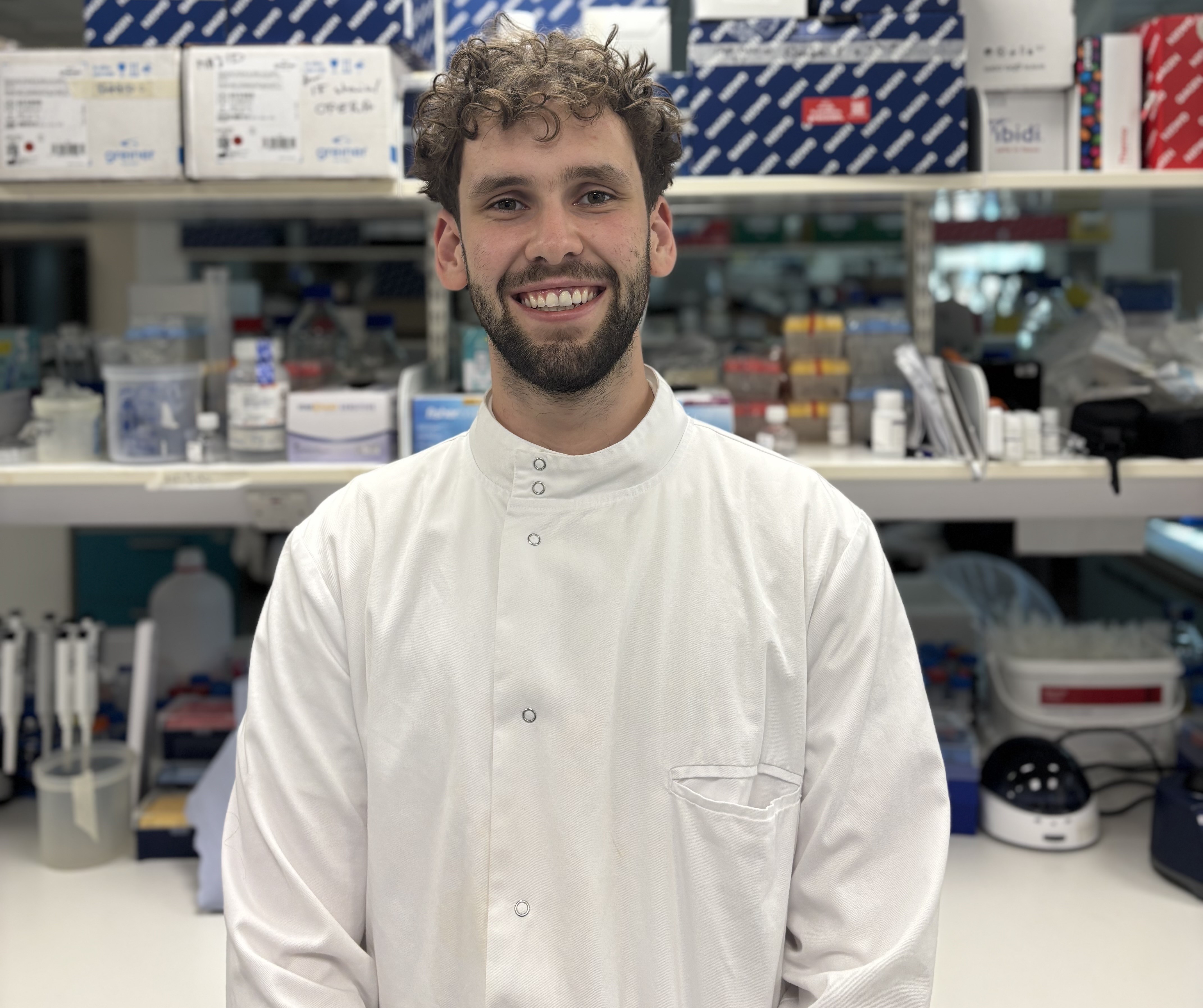
Miles Morris
Research Technician | Former MSc student
MSc Translational Neuroscience, 2025–26
Research Technician, 2026–present
Contributed to the development and testing of novel lentiviral and AAV-based therapeutic approaches
during his MSc project. Miles subsequently joined the team as a Research Technician, supporting the
development and experimental validation of NOTCH3-targeted therapies.
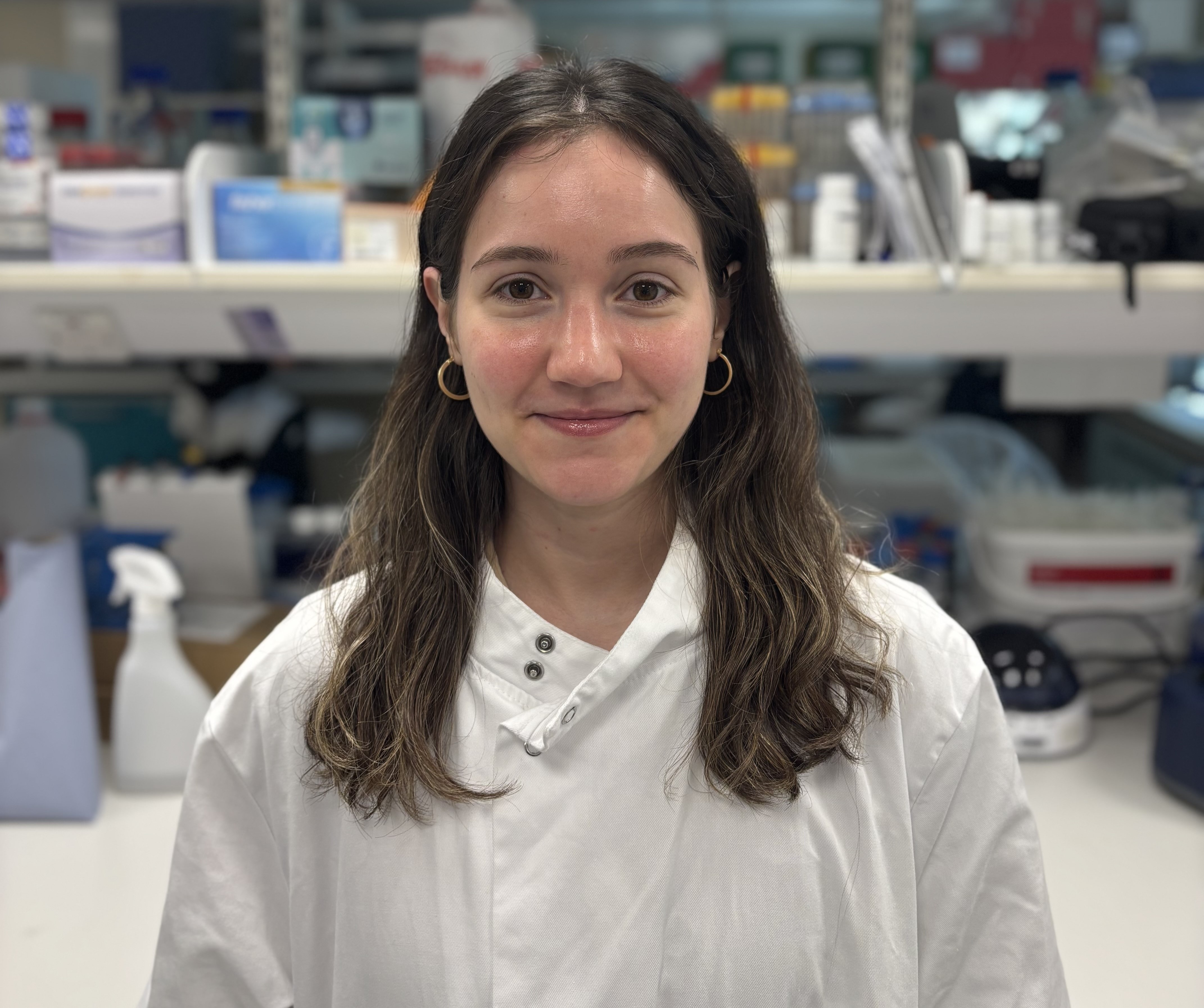
Alanur Ciger
MSc in Translational Neuroscience | 2025–26
Contributed to the experimental testing of antisense oligonucleotide-based therapeutic approaches
targeting NOTCH3.